Digital Marketing & AI · Case Study
FROM STORY TO STRATEGY.
FROM ATTENTION TO ACTION.
A real-world AI & Digital Marketing campaign built around a published book — from audience strategy and creative production to automation, analytics and conversion diagnosis.
Explore the Case Study
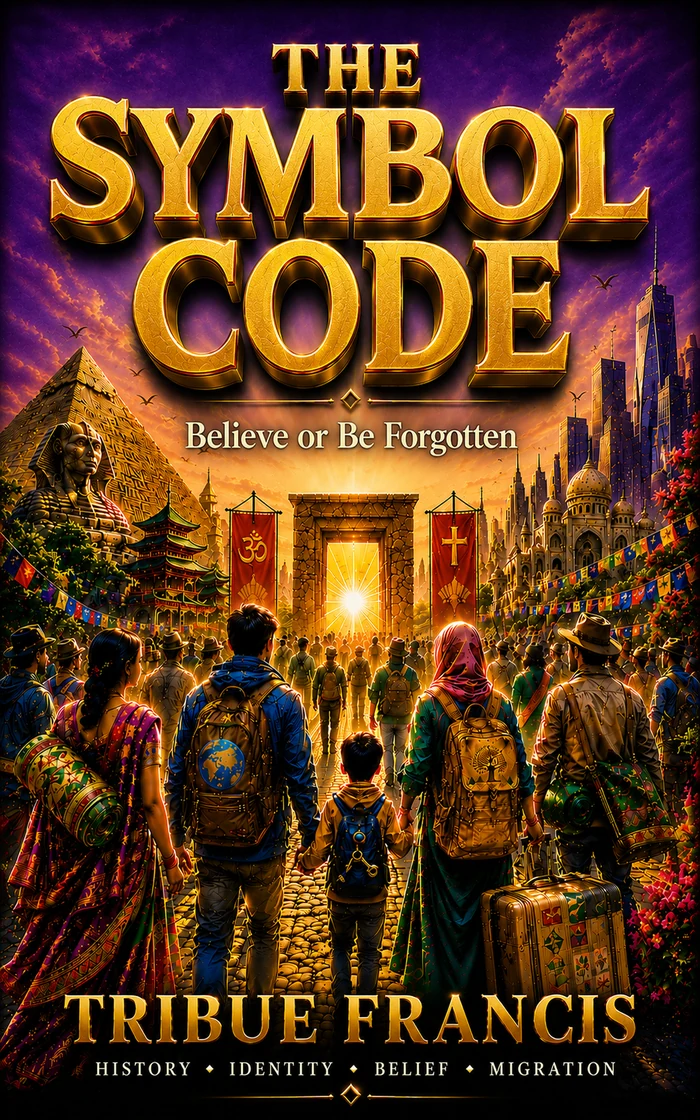
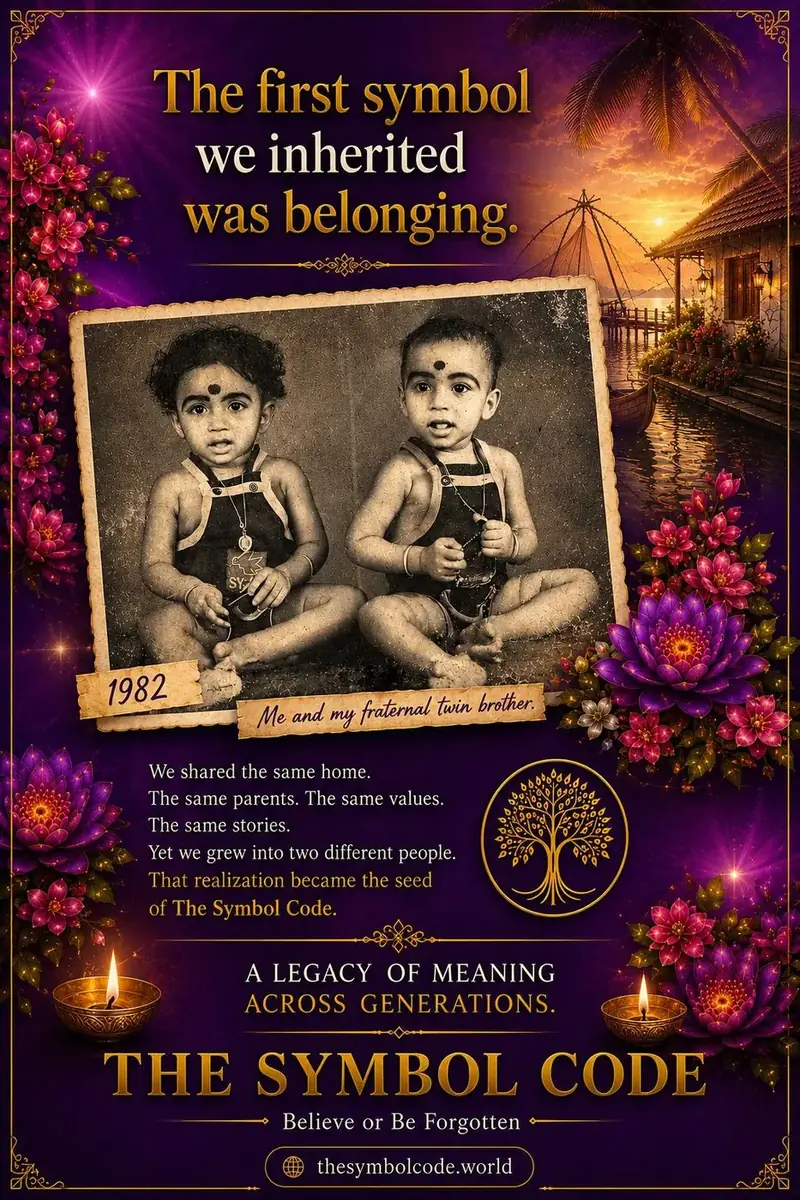
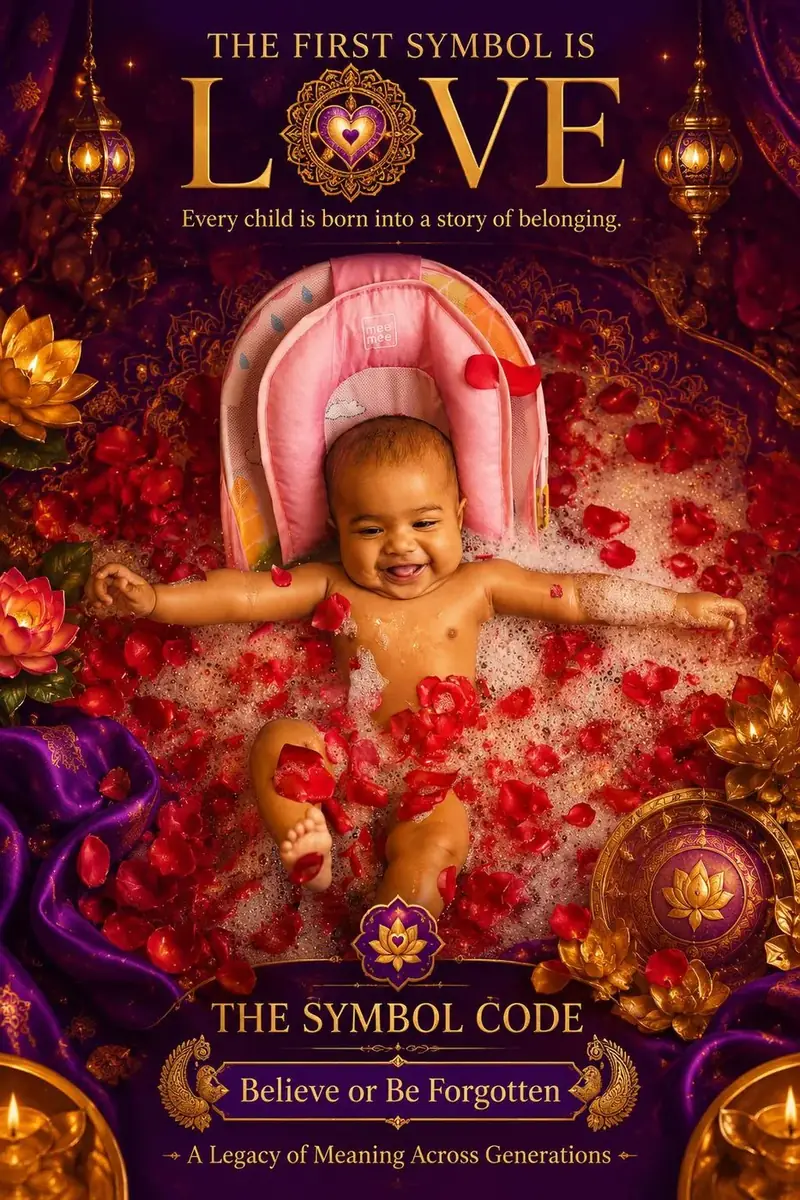
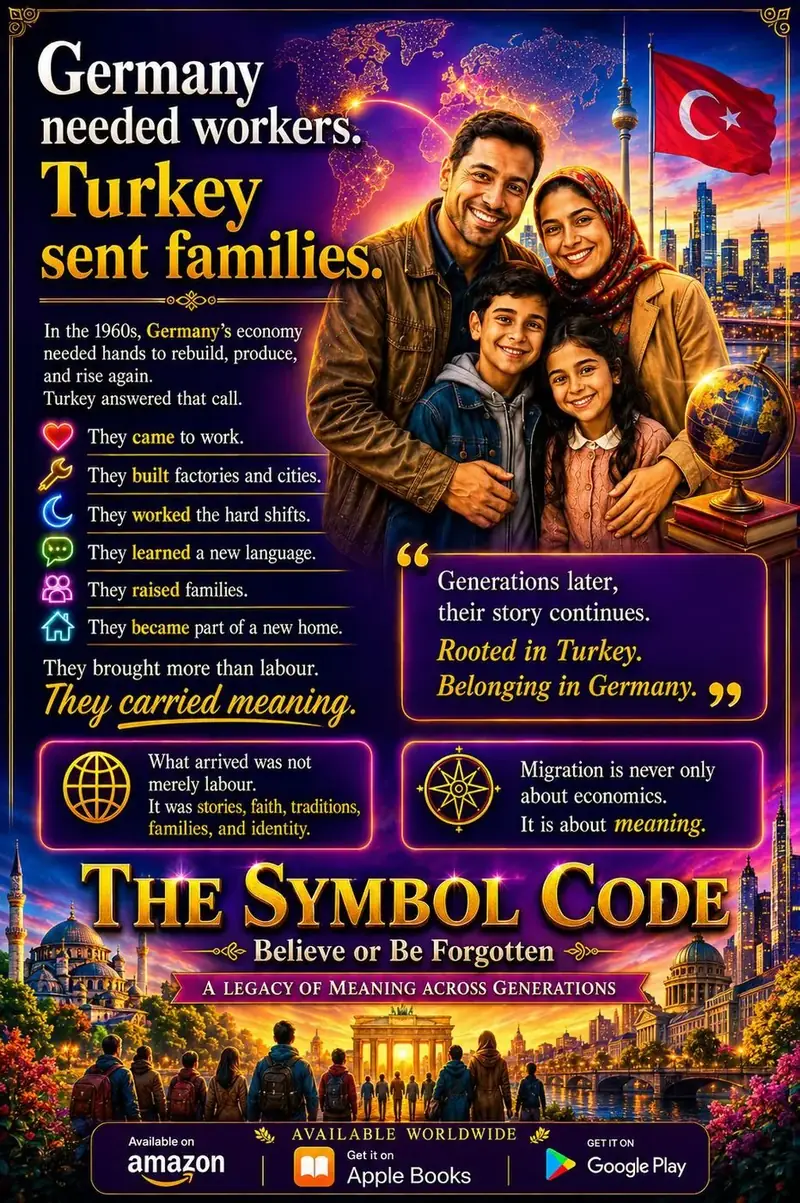
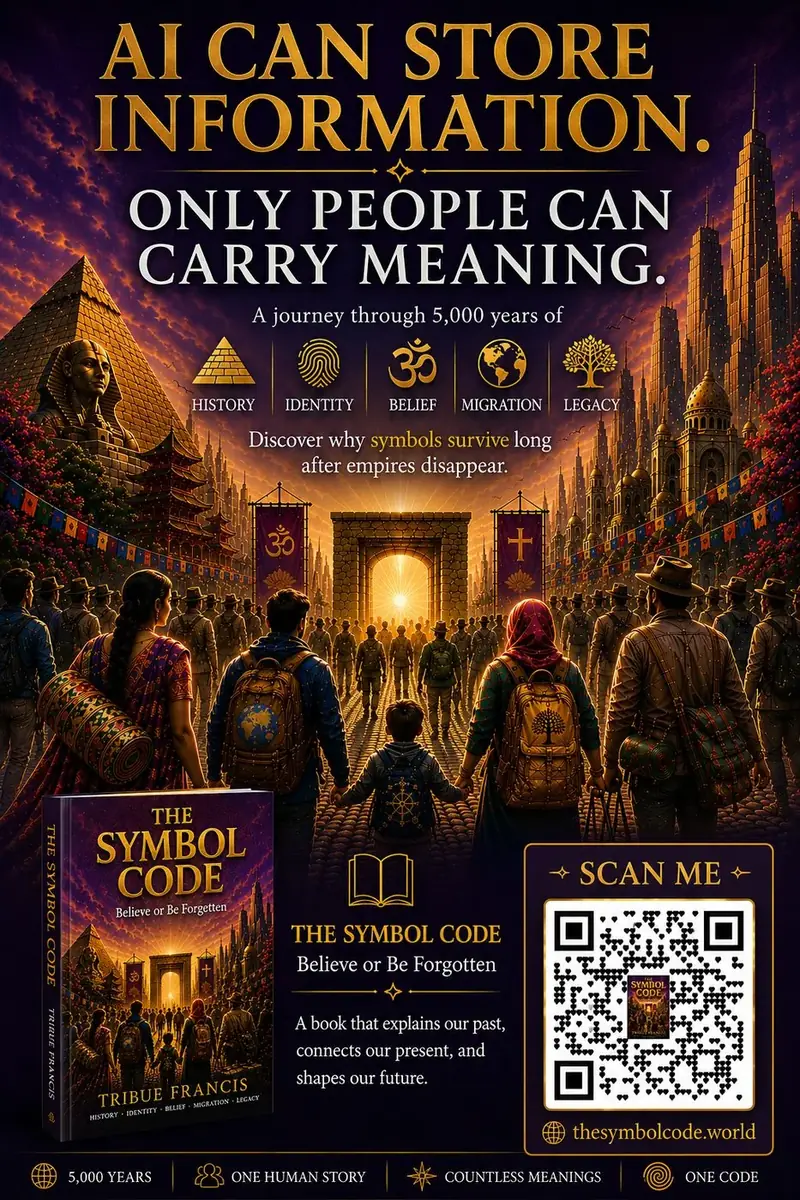
The Symbol Code began with a simple question: how does meaning survive across generations? The project explores how Symbols, Stories, Rituals, Community and Continuity carry identity and meaning forward.
But this case study asks a different question:
can a philosophical idea become a measurable digital marketing campaign?
The challenge was not simply to promote a book. It was to transform an abstract idea about identity, memory and legacy into content that could move someone from a scroll to an action.
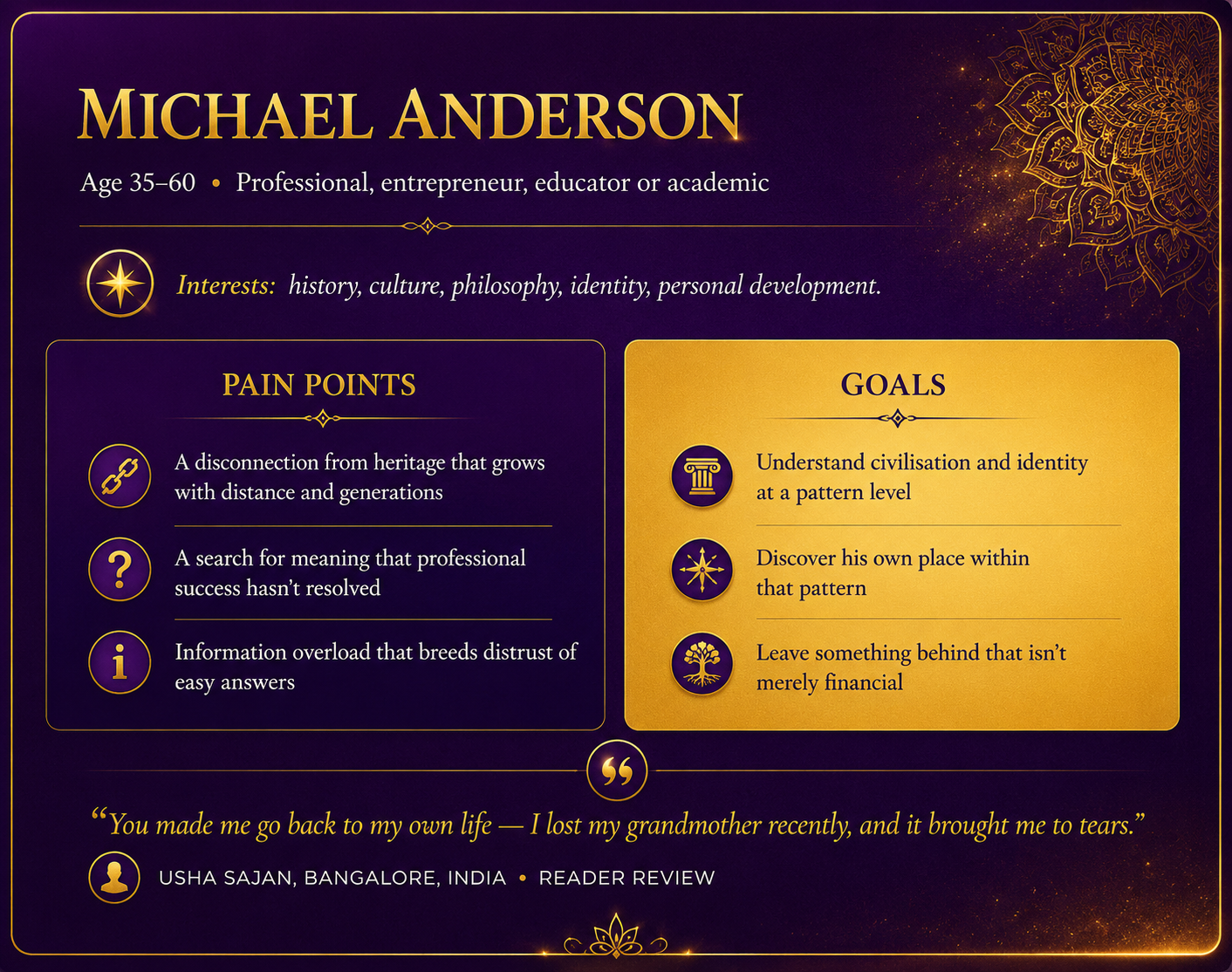
Turn a philosophical idea into a measurable customer journey.
“What am I building — and will it outlast me?”
Every piece of content had a purpose. SEE–THINK–DO–CARE structures the journey; five thematic forces define what the campaign talks about.
No purchase intent yet — discovering ideas.
Interested, considering relevance.
Ready to explore or purchase.
Reader or highly engaged follower.
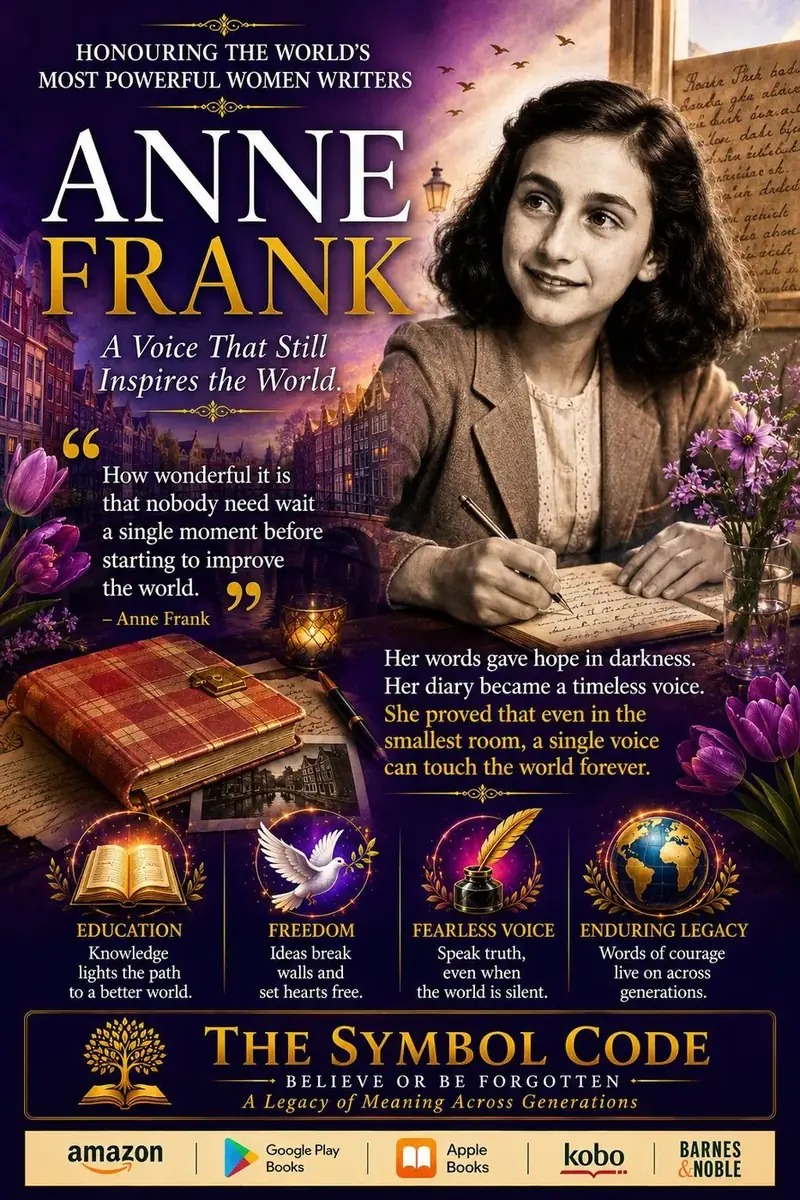
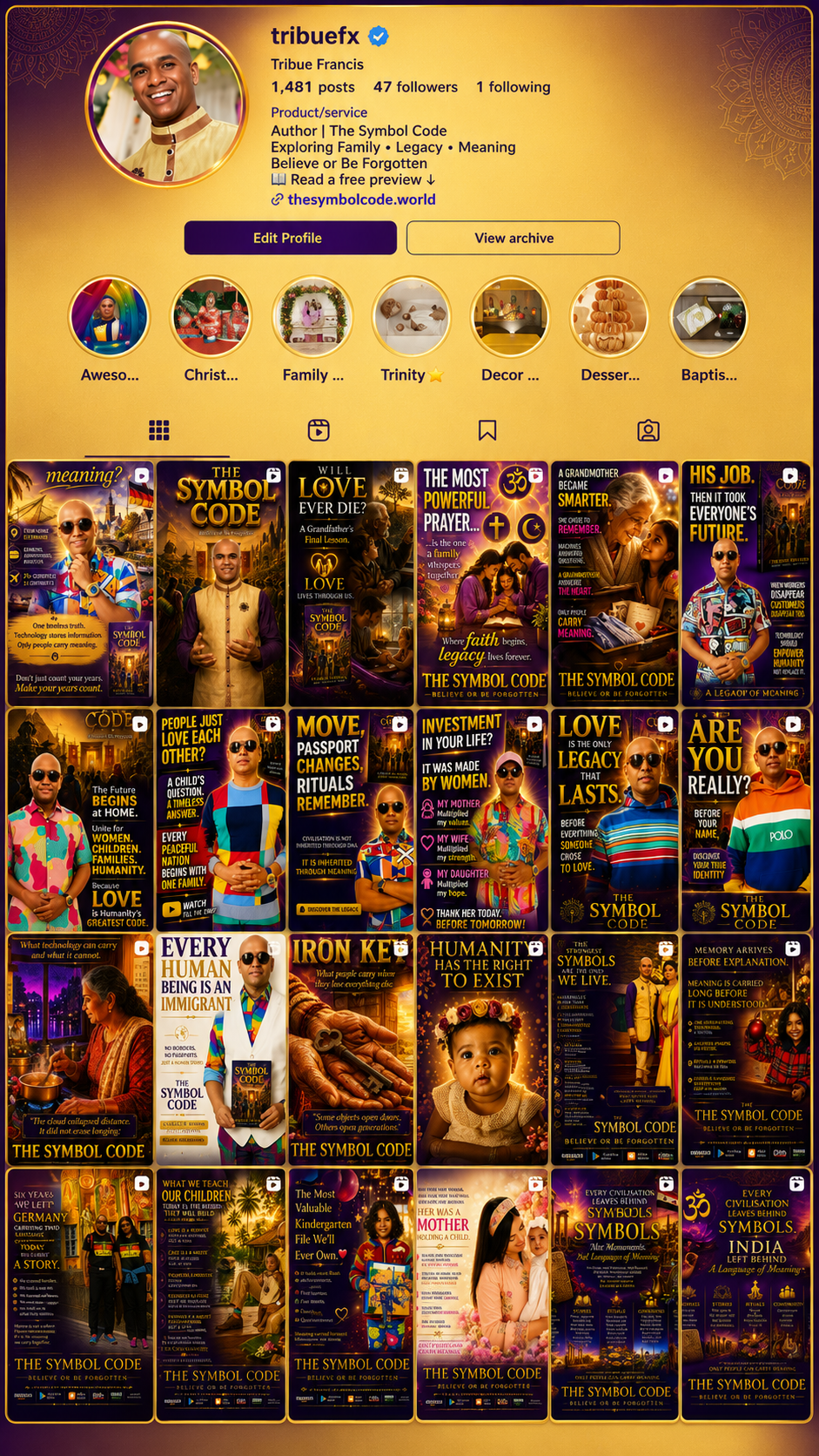
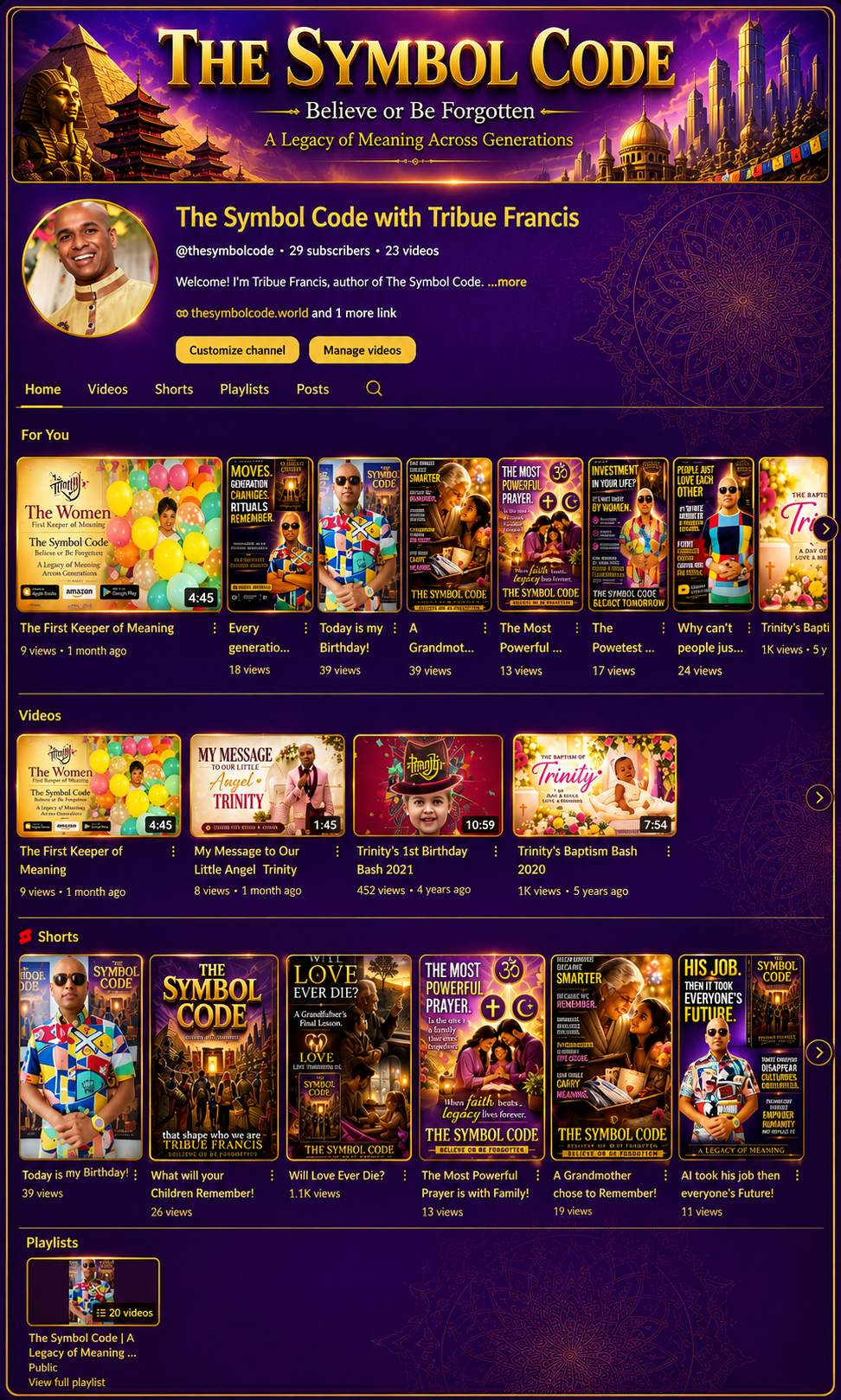
The book became the source. Content extended the story. Social media carried it into different communities.
Prompting · copywriting · image transformation · scripting · production support.
Strategy · final wording · creative direction · visual selection · interpretation · publication decisions.
“AI helped me build it. Human judgement decided what mattered.”
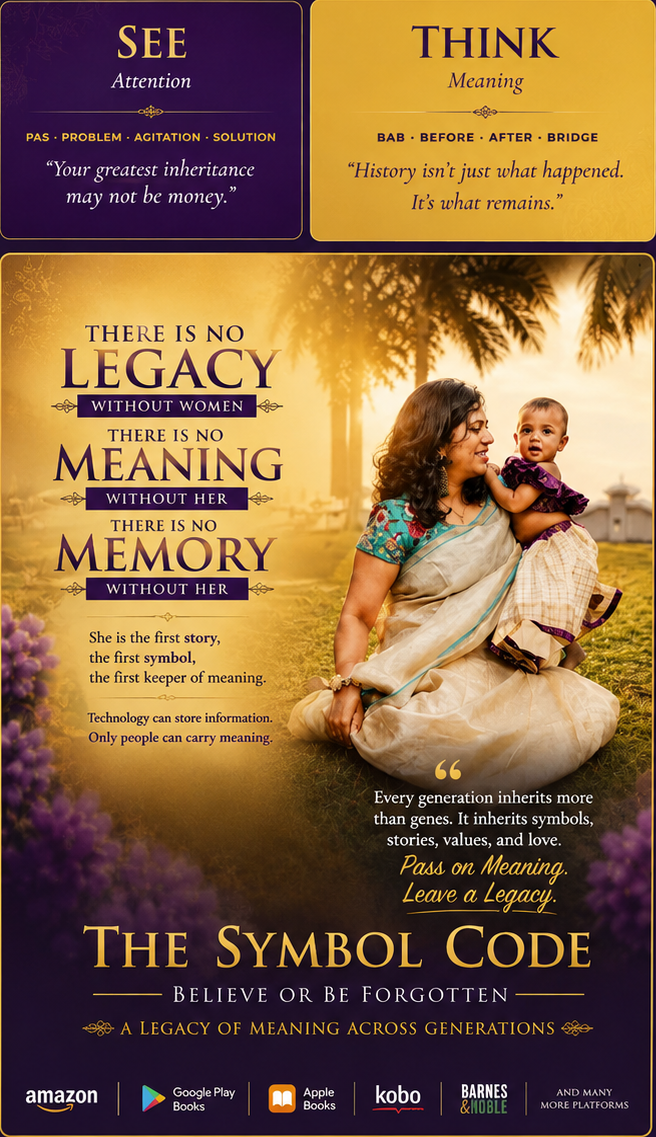
“Your greatest inheritance may not be money.”
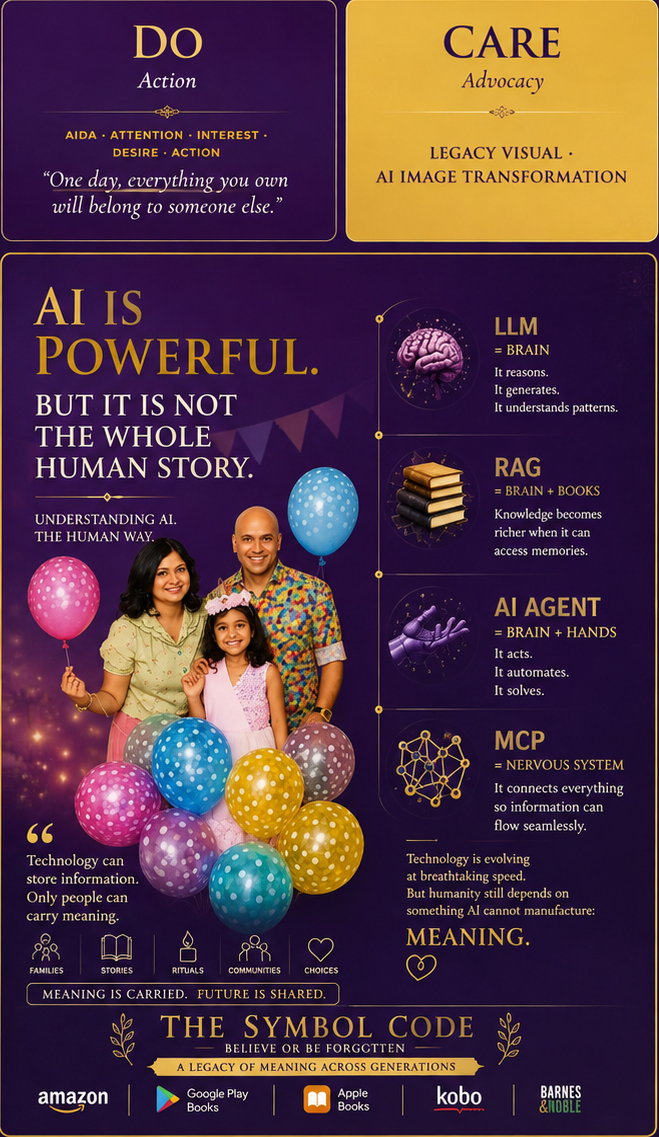
“One day, everything you own will belong to someone else.”
“History isn't just what happened. It's what remains.”


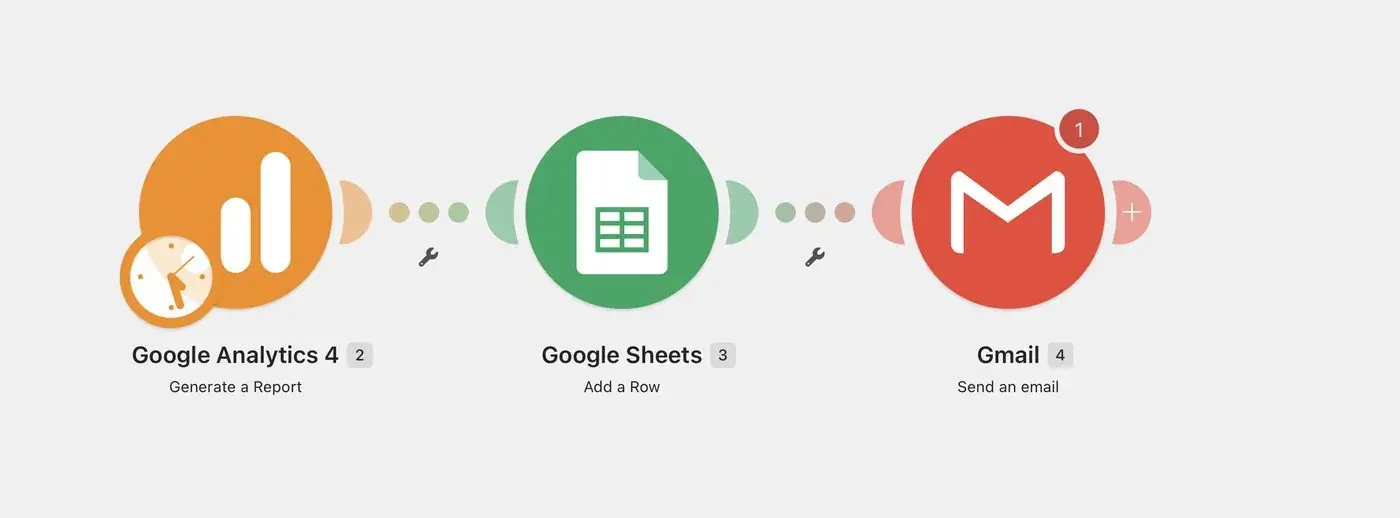
A three-module workflow connecting Google Analytics 4 → Google Sheets → Gmail, replacing a manual multi-dashboard check with one system. Each module has been configured and tested individually. Full end-to-end scheduling is the next step.
Every piece had a job.
One video. Five days. Real behaviour.
The campaign generated inexpensive traffic, but the strongest reach skewed younger than the intended audience — turning a positive media result into an audience-targeting question.
On the surface, the campaign appeared to be working.
“These figures represent key-event occurrences, not unique users.”
Then I looked at the number that really mattered.
Right people — or simply more people?
Is there enough reason to buy now?
Does interest become desire?
Do people want the book — or simply the content?
“Measurement didn't give me the success story I expected. It gave me a diagnosis.”
Marketing isn't about making numbers look successful. It's about allowing the numbers to tell us what to improve next.
Turn strategy into meaningful content.
Track what people actually do.
Use evidence to decide what happens next.
Technology will change. Platforms will change. AI will change. But the human need for meaning remains.
“Technology can store information.
Only people can carry meaning.”
What will yours pass forward?